-

In Observance of World Bread Day: An Homage to Pandesal, a Filipino Breakfast Staple
Let’s revisit the origins of the most popular type of bread in the countryBread is one of the world’s most cherished foods. A staple in nearly every country you can think of, bread comes in all sorts of forms — from the delicate, flaky croissant to the delightfully chewy naan. With World Bread Day just around the corner, there’s no better time to celebrate the Philippines’ very own signature bread: the humble pandesal.
World Bread Day commemorates every October 16 the anniversary of the United Nations Food and Agriculture Organization, which aims to solve world hunger through the cooperation of member nations. Because bread has been such an important part of the way we eat, it has become a widely recognized symbol of freedom from hunger.
The pandesal, a familiar fixture on many Pinoys’ breakfast tables, is our unofficial “representative” for the holiday — and for good reason. This bread style has a long and rich history in our country, with roots tracing back to the Spanish colonial era.
However, the recipe was a little different from what we’re used to today. Traditional pandesal was made with a lot less sugar, which meant the salt was more noticeable. That small touch of saltiness, coupled with the signature breadcrumbs dusting its surface, is probably how the pandesal got its own name — pan de sal directly translates to “bread of salt.”
With modern technology also came the modernization of pandesal itself. Wheat is easily available now, and the shift from wood ovens to gas ovens has changed the baking process. Our palate these days prefers slightly sweeter breads, and so the sugar proportions have increased. Take a look at this classic pandesal recipe from URC Flour. It uses not just brown sugar but also vanilla flavoring for that hint of sweetness most Pinoys look for in their bread.
Modern pandesal has changed a lot from its origins, becoming a staple for breakfastbreakast, merienda, and even midnight snacks. We enjoy it in a lot more variations, from pandesal stuffed with corned beef to the irresistible red velvet pandesal.
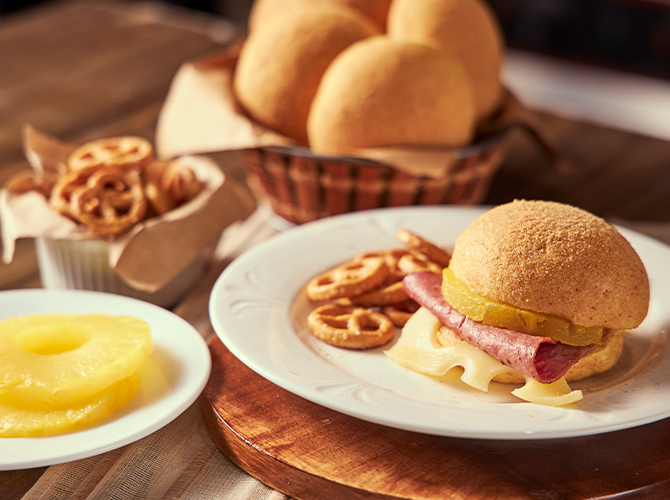
What hasn’t changed is its distinct crumb-covered surface, the melt-in-your-mouth dough, and the proudly Pinoy kayumanggi crust. That’s because, despite more than 100 years of transformation, pandesal is made with the same five basic ingredients: flour, sugar, yeast, oil, and a sprinkling of salt.
URC Flour is proud to be part of that tradition. By striving to produce only high-quality flour products, URC Flour is committed to helping neighborhood panaderos, bakers, bread aficionados, and even ordinary Filipinos make the best pandesal they can. Whether it’s for making classic bread like pandesal, specialty bread, noodles, cakes, biscuits, cookies, or all sorts of pastries, the flour products produced by URC Flour remain consistent in terms of quality and availability.
This World Bread Day, take some time to appreciate those familiar rolls on the breakfast table. Pandesal is a treasured part of Filipino culture, making it a part of every Pinoy. Celebrate it in the best way you can: by closing your eyes and taking a bite out of a fresh, warm piece.
Discover many tasty pandesal recipes and learn more about URC Flour and its products by visiting the URC Flour website.
Get in Touch With Our Flour ExpertsPlease leave your contact information below and we’ll contact you shortly.Thank YouWe received your message.
Our Flour experts will contact you soon.
You may check your inbox for future updates.To learn more about our products,
go to https://www.urcflour.com/products/flourFollow https://www.facebook.com/URCFlour for updates.